
A root canal is a dental treatment used to save a tooth that is badly decayed or has become infected. During the process, a dentist removes the damaged area inside the tooth, cleans it out, and seals it up to prevent more pain. If you are feeling a deep toothache, seeking root canal therapy can help stop the infection and protect your natural smile.
What is Root Canal Therapy?
Inside every tooth is a soft area called the pulp, which holds nerves and blood vessels. When this area gets infected because of a deep cavity or a crack, it can cause a lot of throbbing pain. Many people feel nervous when they hear they need this treatment, but what happens during a root canal is actually very similar to getting a deep filling. The main goal is to remove the source of the pain so you can go back to eating and talking comfortably.
Finding root canal therapy near you is the first step toward feeling better. Modern dental tools make the process smooth and much more comfortable than most people expect. By saving your natural tooth, you don’t have to worry about the need for more expensive replacements like bridges or implants later on.
How the Procedure Works
The process is usually broken down into a few clear stages. This helps the dentist make sure the infection is completely gone before the tooth is permanently closed.
The Stages of Treatment
| Step | What Happens |
| Numbing | The area is frozen so you don’t feel any pain. |
| Cleaning | The damaged pulp is removed from inside the tooth. |
| Shaping | The tiny tunnels inside the roots are cleaned and smoothed. |
| Sealing | A rubbery material is used to fill the empty space. |
A Detailed Breakdown of the Steps
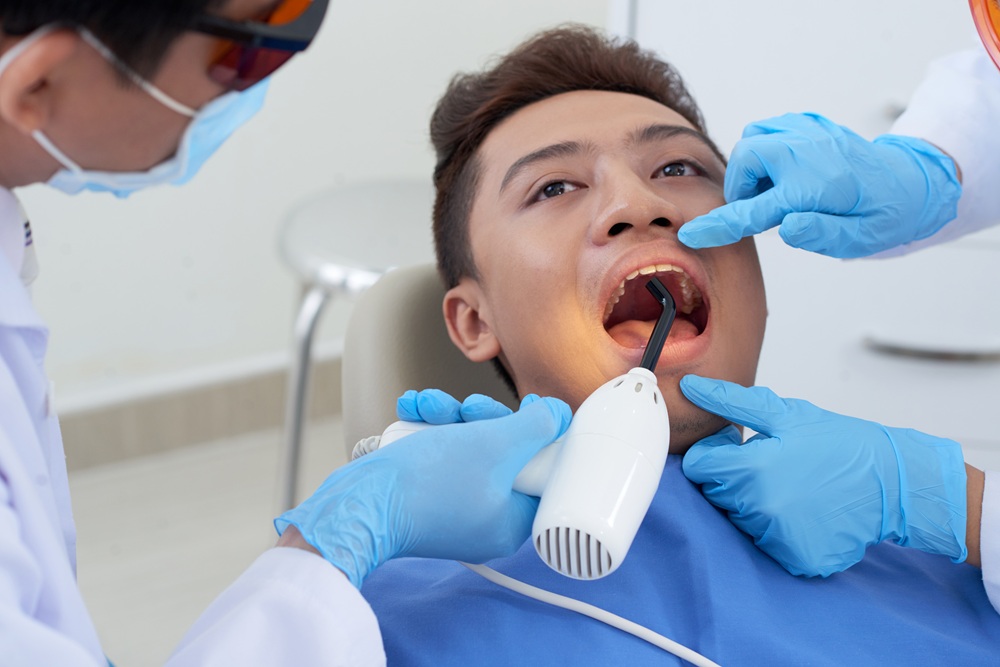
For those who want to understand the root canal treatment steps in more detail, it begins with making the patient comfortable. First, the dentist uses a medicine to numb the tooth and the gums around it. Once you are fully numb, a small opening is made in the top of the tooth to reach the infected pulp inside.
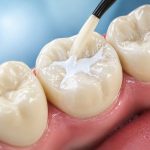
Next, the root canal procedure explained simply, involves using very small tools to clean out the diseased tissue. Once the canals are clean and free of germs, they are filled with a special material to keep bacteria out. Finally, a temporary filling is placed on top to protect the tooth until a permanent crown can be made.
Why You Shouldn’t Wait for Treatment
If an infection is left alone, it can turn into a painful pocket of germs known as an abscess. This can cause your face to swell and might even damage the bone around your tooth. Visiting a dental clinic in university Calgary early allows the dental team to catch the problem before it turns into a painful emergency.
Most people feel much better immediately after the treatment because the pressure from the infection is gone. While the tooth might feel a little tender for a few days, this is just a normal part of the healing process as your body gets better.
Keeping Your Tooth Healthy for Life
After your procedure, it is important to treat the tooth with care. Since a tooth that has had a root canal is a bit more brittle, a crown is usually placed on top to give it extra strength. Once the crown is in place, you can brush and floss it just like a regular tooth. This ensures that your restored tooth stays strong and functional for many years to come.
At the University Calgary Dental Choice, we are committed to providing gentle and professional care to help you keep your mouth healthy. Our dentist near you focuses on making every visit as relaxed as possible while helping you understand every part of your treatment. If you are ready to get relief from tooth pain and protect your smile, we invite you to reach out to us today.
Please visit our website to schedule an appointment.
Frequently Asked Questions
Does a root canal hurt?
No, the procedure is done to stop pain, not cause it. Your dentist will use numbing medicine so that you feel very little during the treatment, much like getting a regular filling.
How long does the procedure take?
Most root canals take between 30 and 90 minutes. Depending on how many roots the tooth has or how bad the infection is, it may sometimes require two visits to finish.
Can I go back to school or work after?
Yes, you can usually return to your normal routine right away. However, your mouth will feel numb for a few hours, so you should be careful not to bite your cheek or tongue.
How do I care for the tooth afterward?
Until your permanent crown is placed, you should avoid chewing on that side of your mouth. Once the final restoration is done, simply brush and floss daily to keep it clean.