

Restorative dentistry is the part of dental care that focuses on fixing damaged, decayed, or missing teeth. It covers a wide range of treatments. The goal is simple — to bring your teeth back to a healthy, working condition. Whether you have one small cavity or several missing teeth, restorative dentistry has a solution for you.
It is not just about looks. It is about function, comfort, and long-term health.
Why Do Teeth Need Restoring in the First Place?
Teeth go through a lot every single day. You use them to chew, speak, and smile. Over time, they can get damaged in many ways.
Common reasons teeth need restoration include:
- Tooth decay from sugar and bacteria
- Cracked or broken teeth from accidents or hard foods
- Teeth worn down from grinding at night
- Old fillings that have broken down
- Teeth lost due to gum disease or injury
When any of these happen, leaving the problem alone makes it worse. Restoring the tooth early saves time, money, and discomfort later.
If you have been searching for restorative dentistry near you, the first step is a dental check-up. A dentist will look at your teeth carefully and suggest the right treatment for your situation.
The Most Common Restorative Dentistry Treatments
There is no single treatment that works for every problem. Restorative dentistry includes several options. Each one is designed for a specific type of damage or tooth loss.
Dental Fillings — The Most Common Fix
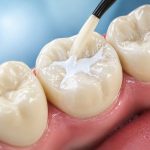
A filling is used when a tooth has a cavity. The dentist removes the decayed part of the tooth and fills the space with a material that hardens and seals the tooth.
Fillings are made from different materials:
- Composite resin—tooth-coloured and blends in naturally
- Amalgam—silver-coloured and very durable
- Glass ionomer—releases fluoride and is gentle on teeth
Fillings are quick to place and last for many years with proper care. They stop decay from spreading further into the tooth.
Dental Crowns — A Full Cover for a Damaged Tooth
A crown is a cap that fits over an entire tooth. It is used when a tooth is too damaged for a filling alone.
Crowns are recommended when:
- A tooth is cracked or badly broken
- A large cavity has destroyed most of the tooth
- A tooth has had a root canal
- A tooth is very weak and at risk of breaking
The crown covers the tooth completely. It restores its shape, strength, and appearance all at once.
Dental Bridges — Filling the Gap Left by a Missing Tooth
A bridge is used to replace one or more missing teeth. It uses the teeth on either side of the gap as support. A false tooth sits in the middle and fills the empty space.
Bridges are fixed in place. You cannot remove them. They look and feel like natural teeth and help you chew and speak properly again.
Dental Implants—The Closest Thing to a Natural Tooth
An implant is a small titanium post that is placed into the jawbone. It acts as a root for a new artificial tooth.
Implants are strong, stable, and long-lasting. They do not affect the teeth next to them. Once fully healed, they feel and function just like a natural tooth.
Finding a dentist near you who offers implants is worth it if you have one or more missing teeth and want a permanent solution.
Dentures—A Full or Partial Replacement
Dentures are removable replacements for missing teeth. They come in two types:
| Type | What It Does |
| Full dentures | Replace all teeth in the upper or lower jaw |
| Partial dentures | Replace a few missing teeth when some natural teeth remain |
Dentures are custom-made to fit your mouth comfortably. Modern dentures look much more natural than older versions.
Root Canal Treatment—Saving a Tooth From the Inside
A root canal is needed when decay or infection reaches the inside of a tooth. The dentist removes the infected pulp, cleans the inside of the tooth, and seals it.
Many people feel nervous about root canals. But the procedure is done under local anesthesia. Most patients say it feels no different from getting a filling.
A root canal saves the tooth. Without it, the tooth would likely need to be removed.
How Do You Know Which Treatment You Need?
You do not need to figure this out on your own. A dentist will examine your teeth, take X-rays if needed, and explain your options clearly. The right treatment depends on the type and extent of the damage.
The earlier you go, the simpler the treatment is likely to be.
University of Calgary Dental Choice offers a full range of restorative treatments. Visiting a trusted dental clinic in your area means you get the right diagnosis and a clear plan—without guessing.
Restorative Dentistry Works Best When You Do Not Wait
Here is a simple truth about teeth—small problems grow into big ones when ignored. A tiny cavity becomes a large one. A cracked tooth becomes a broken one. A missing tooth leads to shifting teeth and bone loss.
Restorative dentistry steps in at any stage. But the earlier you act, the easier and more comfortable the process is.
Good oral hygiene at home helps too. Brushing twice a day, flossing daily, and visiting your dentist regularly keep problems from developing in the first place.
Every Tooth You Save Is Worth It
Restorative dentistry covers everything from small fillings to full tooth replacements. Each treatment has one purpose—to give you a mouth that works properly and feels comfortable.
You do not have to live with tooth pain, gaps in your smile, or teeth that make eating difficult. Solutions exist for all of these problems, and they are more accessible than most people think.
Your Healthy Smile Starts With One Conversation
Damaged or missing teeth should never be left untreated. The right care at the right time makes a real difference.
At University of Calgary Dental Choice, the team is committed to helping every patient understand their options clearly and feel comfortable throughout their treatment. If you have a tooth that is bothering you—or one you have been putting off dealing with—reach out to us today. A healthier, more comfortable smile is closer than you think.
Frequently Asked Questions
Q1. Is restorative dentistry just for old people?
No. Anyone of any age may need restorative treatment—it may be a child with a cavity or a young adult with a broken tooth.
Q2. Does restorative dental work hurt?
Most treatments are done with local anesthesia, so you should not feel pain during the procedure itself.
Q3. How long do restorative treatments last?
It depends on the treatment and how well you care for your teeth, but most restorations last many years with proper maintenance.
Q4. Can I get more than one restorative treatment at the same time?
Yes, in many cases, a dentist can plan and perform multiple treatments together to save you time and visits.